
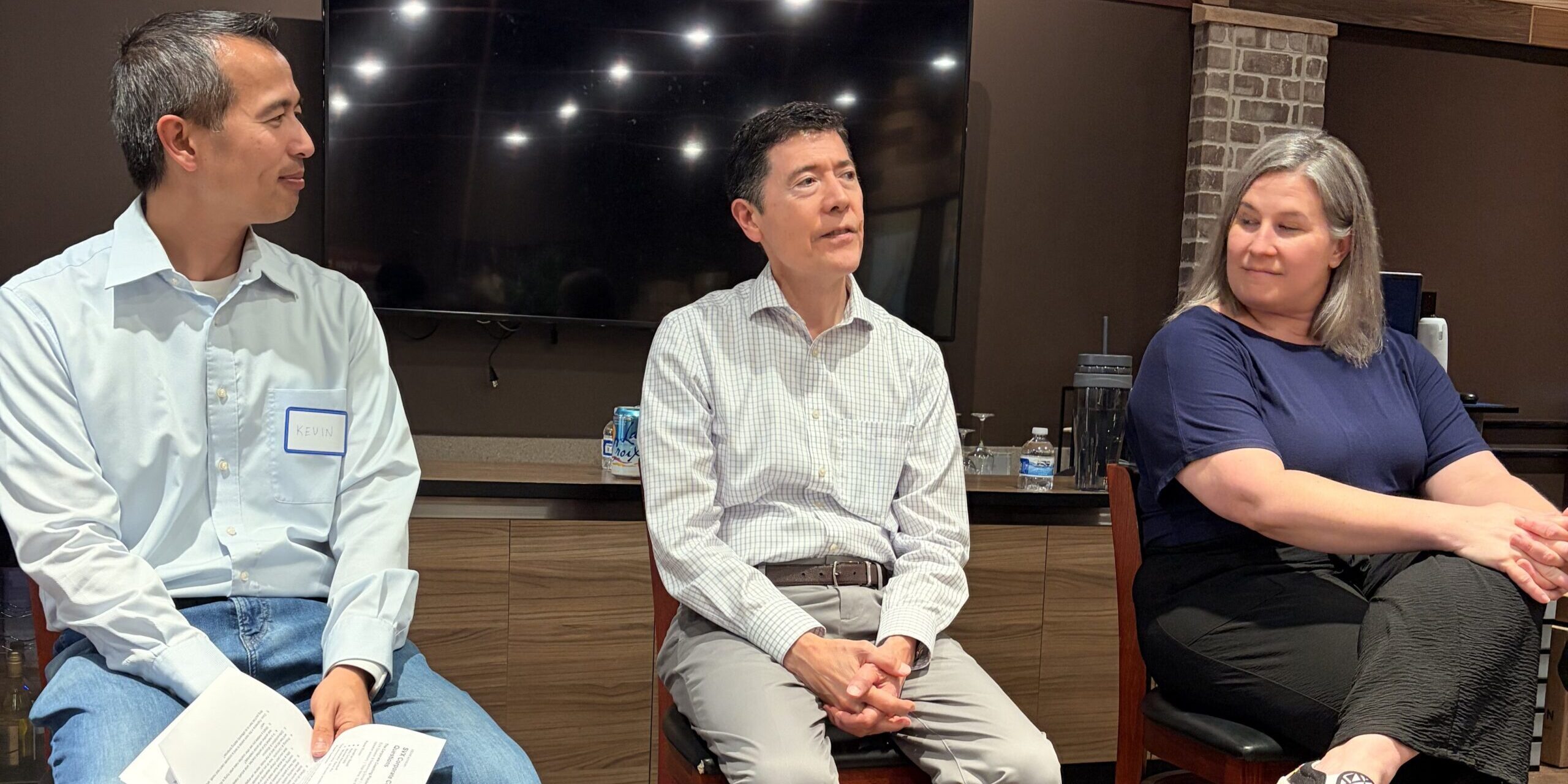
I was on a panel session recently with 2 other executive coaches at a Silicon Valley Exchange event. The main topic was securing corporate coaching engagements. This is an attractive topic for any but the most successful among us, as you can imagine.
So, what are some of the key tidbits from the event?
My biggest takeaway is that you can be successful going down multiple paths.
For example, I get many of my corporate clients right through my website. I can think of numerous engagements over the past few years that were from companies that found me online. And you might be thinking they’re just Bay Area companies, but that’s not entirely accurate. One company was in Michigan.
My website has been online for about 10 years, which gives it some credibility online. Also, because I chose the generic name, Bay Area Executive Coach, my site lands up high when locals are looking for an executive coach.
Another coach on the panel said they have created relationships by volunteering to be on boards and associations where target clients gather. Through those efforts, they have facilitated numerous free retreats that ended with members asking them to do work for their respective organizations.
Another coach said they offer low-risk entry points such as an Enneagram offsite. The HR leader is there and has a great experience. That leads them to engage with the coach for coaching work inside the organization. After that, they are passed around to other teams who want to have the same experience.
That reminded me of how I secured my first major corporate client. They were a company in San Francisco looking for sales training. I was doing a lot of it at the time so I was not surprised to be contacted. I did a bang-up job, and was then asked by the buyer what other services I offered. That led to coaching inside the company for two years.
My role at the Center for Executive Coaching has also led to work. I didn’t expect that when I joined the faculty, but there have been participants over the years who’ve inquired with me about coaching in their organizations. To be clear, I’ve never pitched this as it would be a conflict of interest. And it’s always been well after the person graduated from the training program.
The last thing I’ll share is that one of the coaches shuns social media. They spend just about zero time on it. I do spend time on LinkedIn and post videos to YouTube regularly. While I don’t get a lot of business from either platform, I believe it adds to my visibility and keeps me top of mind.
I do not consider my time on social media to be a waste of time and a distraction. However, I can absolutely see how another coach might feel that way.
So, you just don’t know where your corporate coaching work is going to come from.
The one thing no one mentioned was advertising. I don’t doubt that advertising couldn’t lead to corporate clients, but I suspect you’d have to spend much more money on it than you’d have the appetite for before it led to meaningful results.
What I would recommend is to not just go down one path. Could you join one association? Could you offer some type of fun offsite to get you in front of HR leaders? Could you optimize your website some more?
Get our monthly newsletter to receive relevant articles, resources, and news, as well as a complimentary eBook on 6 ways to get your first client, when you subscribe.
Here are other articles and videos related to this article:
Articles
- Best Practices to Build a Thriving Executive Coaching Practice
- How to get sponsored coaching clients
- A big downside to sponsored executive coaching
- Should you offer executive coaching to government organizations?
- Three Reasons Why My Coaching Business is Successful, Part 1 and Part 2
YouTube Videos