
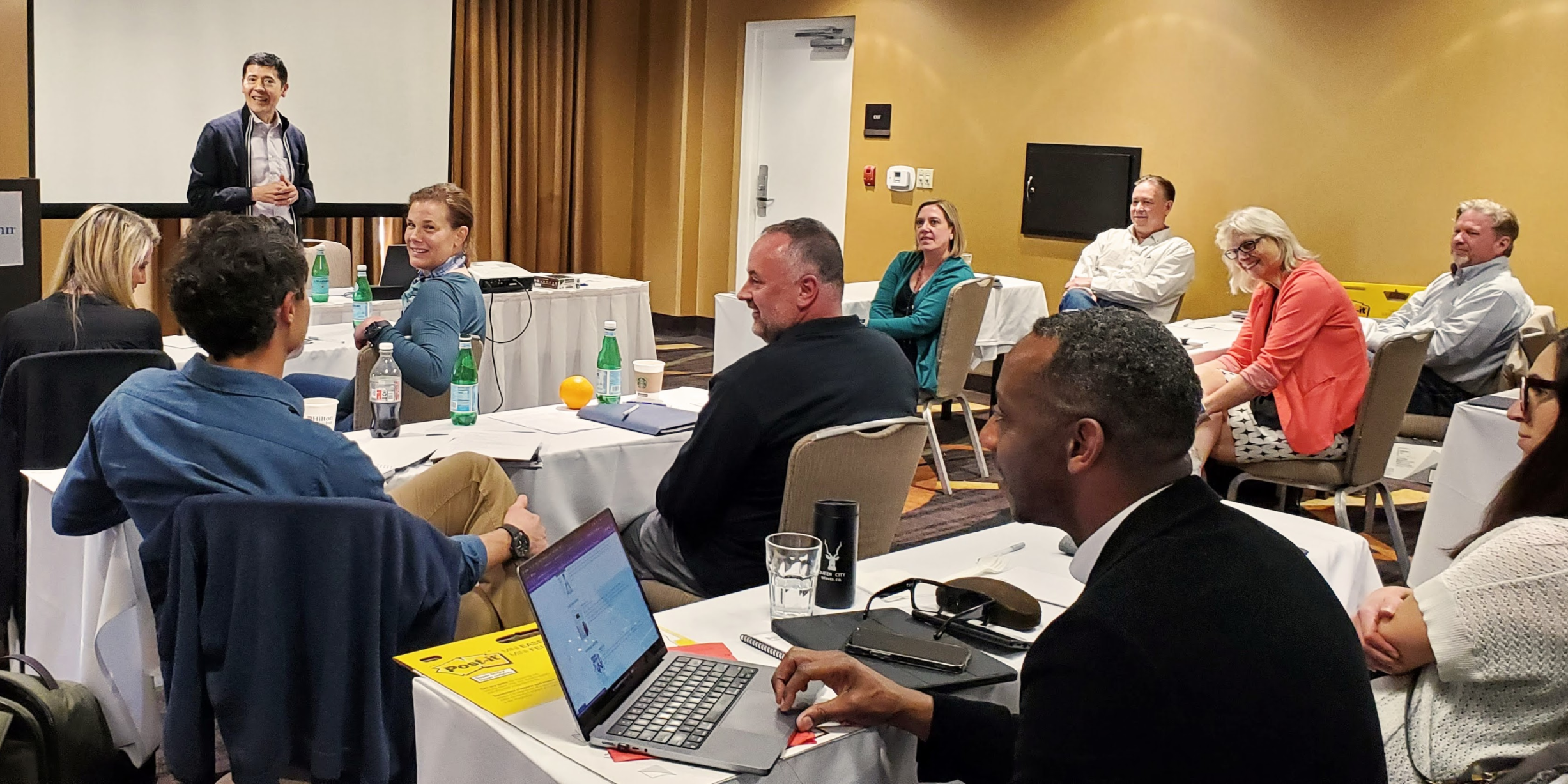
In today’s digital-focused world, virtual learning provides unprecedented access and flexibility to knowledge and training. Yet, for many people, constant distractions, tech issues, extended screen hours, and a lack of genuine connection can make virtual training a less desirable option for learning.
When it comes to professional development or training programs that require deep understanding and hands-on application, there are compelling reasons why in-person, classroom-based learning can sometimes be far more effective for adult learners. Let’s look at some of the benefits derived from learning in-person.
- A Break From Distractions
Our world comes with numerous distractions: incoming emails, pop-up notifications, too many open windows on the desktop, and background chatter that interferes with a learner’s focus. In-person learning essentially eliminates these interruptions, placing learners in a mostly distraction-free setting that helps them stay engaged.
When participants are physically present, the lack of distractions leads to better attention and stronger knowledge retention. Learners are more participatory and more likely to internalize what they’re learning.
- Real-Time Interaction and Networking Opportunities
One of the greatest advantages of in-person learning is the opportunity for face-to-face interaction with peers and facilitators. During in-person events, attendees often learn as much from each other as they do from the instructor. This is supported by informal conversations that happen before and after classes that generally don’t occur in a virtual environment.
The in-person experience also fosters networking opportunities. Bonding with others is easier when you share a physical learning space together, and the connections formed are deeper and more likely to endure.
Also, when people learn together, they tend to see each other differently. They’re more inclined to appreciate perspectives, communicate openly, give and receive feedback, and build empathy.
- In-Person Energy is Contagious
The sense of community and shared accountability that characterizes in-person learning fosters higher levels of engagement and motivation among learners. Classroom participants can literally feel the energy in the room, which can be highly creative and motivating.
As a result, they get more done in less time and are more likely to feel highly motivated and energized from a great classroom experience. This is especially true when there’s a strong closing segment that pulls it all together and blends in a celebration of some type.
- Participation Comes Naturally
Through body language, eye contact, group exercises, and even informal moments like shared coffee breaks, learners are more than passive listeners—they’re active contributors.
Active participation encourages hands-on learning, role-playing, and physical demonstration that help concepts stick in long-term memory. Instructors can also spot mistakes or problem areas immediately and adjust their training in the moment.
- Instant Feedback for Instructor
By reading the room, the instructor can create space for deeper, more vulnerable conversations and offer individualized attention more easily.
With face-to-face interaction, trainers can see how well interactions are going and better gauge whether or not students are grasping the subject matter. Plus, trainers are able to observe how team members interact with each other in a group setting or activity.
- The Value of “Being There”
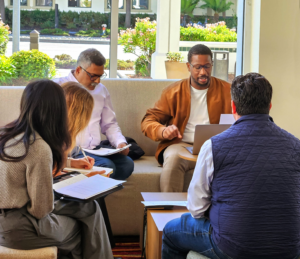
An often-overlooked benefit of in-person learning is the mental and physical commitment it requires. Attending a professional learning event in-person represents an investment of time, effort, and resources, which reinforces its significance. When learners have a greater stake in their learning, they’re more likely to retain information, complete their certification, and apply what they’ve learned in their daily work.
- Multitasking is Inhibited
During an in-person session, the urge to multitask is greatly reduced or more easily controlled. Multitasking defuses attention and can drastically inhibit learning. Learners in a classroom setting generally don’t multitask simply because everyone present will know they’re doing so.
- Learning Through Doing
Many adults absorb information better when they’re actively involved. Being physically present and participating in hands-on activities boosts retention, making concepts and methods “stick.”
Research has shown that many people achieve a higher level of learning and behavior change when skills are reinforced through practice in an in-person setting. These findings underscore the advantages of in-person learning, as it fosters practical skill development, peer engagement, reduced digital fatigue, and direct feedback—key factors for effective learning and long-term retention.
- Shared Meals Strengthen the Bonds
Multi-day in-person learning experiences often include the sharing of meals. There’s something special about breaking bread with your fellow learners and not only discussing elements of the class, but also sharing personal stories. This inevitably happens when eating together in person and adds something to the entire experience. While this is rarely in the promotional copy for an in-person learning experience, sharing meals together strengthens the bonds created in class.
••••
While virtual learning will remain essential for its convenience, affordability and reach, there’s no substitute for the depth, engagement, and connection that in-person learning offers.
At Bay Area Executive Coach, we’re fervent believers in the special value and benefits of in-person learning. That’s why we continue to offer in-person executive coach training and certification seminars several times each year. We truly enjoy the personal interaction and dynamic learning that comes from training with clients face-to-face, and we learn a great deal too in the process. We know from the feedback we’ve received over the years that many who come to our in-person seminars wouldn’t want it any other way. If that describes your ideal way to learn, explore our upcoming seminar schedule and join us to get certified as an executive coach! If you’d like to start with a conversation, reach out to us or schedule time for a 1-on-1 conversation.
Get our monthly newsletter to receive relevant articles, resources, and news, as well as a complimentary eBook on 6 ways to get your first client, when you subscribe.
Here are other articles and videos related to this article:
Articles
- What I’ve learned from my MCC program
- What will take your coaching to the next level?
- 3 proven ways to elevate your skills as an executive coach
- Should you seek out Coaching Supervision?
YouTube Videos